


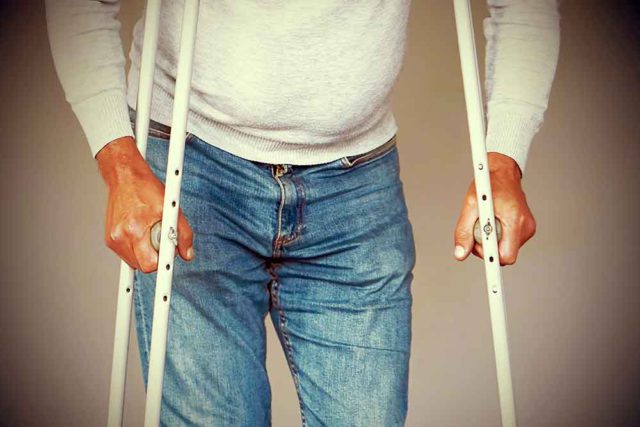

Information and advice on what to do if you think you’ve fractured your hip.
As osteoarthritis is a long-term condition, it’s important you receive support to help you cope.

Osteoarthritis is a long-term condition and can’t be cured, but it doesn’t necessarily get any worse over time.

Your GP, specialist or physiotherapist may recommend extra treatments for back pain.
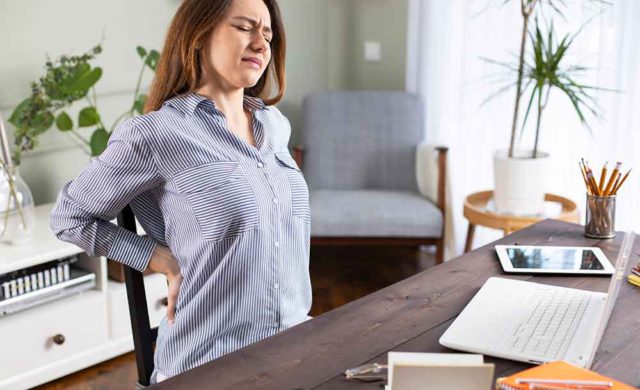
Back pain usually gets better on its own within a few weeks or months and you may not need to see a doctor.
As osteoarthritis is a long-term condition, it’s important you receive support to help you cope.
Osteoarthritis is a long-term condition and can’t be cured, but it doesn’t necessarily get any worse over time.

Find out how your GP may determine whether you have osteoarthritis.
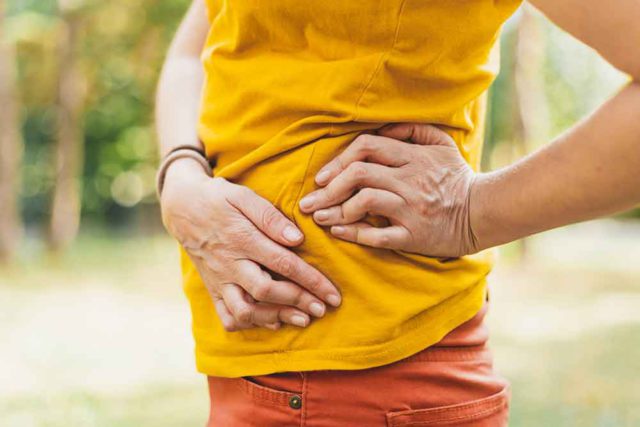
In osteoarthritis, the protective cartilage on the ends of your bones breaks down, causing pain and swelling.

If you think your pain is from having done more activity than you’re used to, you’ve probably just sprained your knee.

Knee pain felt at the front of the knee, around the kneecap, is called anterior knee pain or patellofemoral pain syndrome.

A meniscus can also be torn after suddenly twisting the knee joint, resulting in pain, swelling and occasionally locking.

In older people, recurrent pain and stiffness in both knees is likely to be caused by osteoarthritis.

Overusing or injuring the tendon that connects the kneecap to the shin bone can cause patellar tendonitis.

Repetitive movement of the knee can cause a build-up of fluid over the knee joint, known as bursitis.